How to Help Your Child Through Grief
To watch your child grieve is a different kind of heartache entirely. As adults, we can at least attempt to understand what’s happening inside us. Kids feel the depths of that same sorrow, but they don’t yet have the ability to process it the way we do.
One story captures this well. At a summer retreat for kids in counseling, two siblings, a middle schooler and his college-age sister, were reflecting together on the crucifixion and resurrection, imagining themselves inside that story. The younger brother said, “I feel like I’m in the blankness between the cross and Easter. Jesus has died. Things are hard. I feel alone. I don’t know what’s going to happen.” In tears, he added, “I just don’t know what to do or even who I really am with things the way they are.”
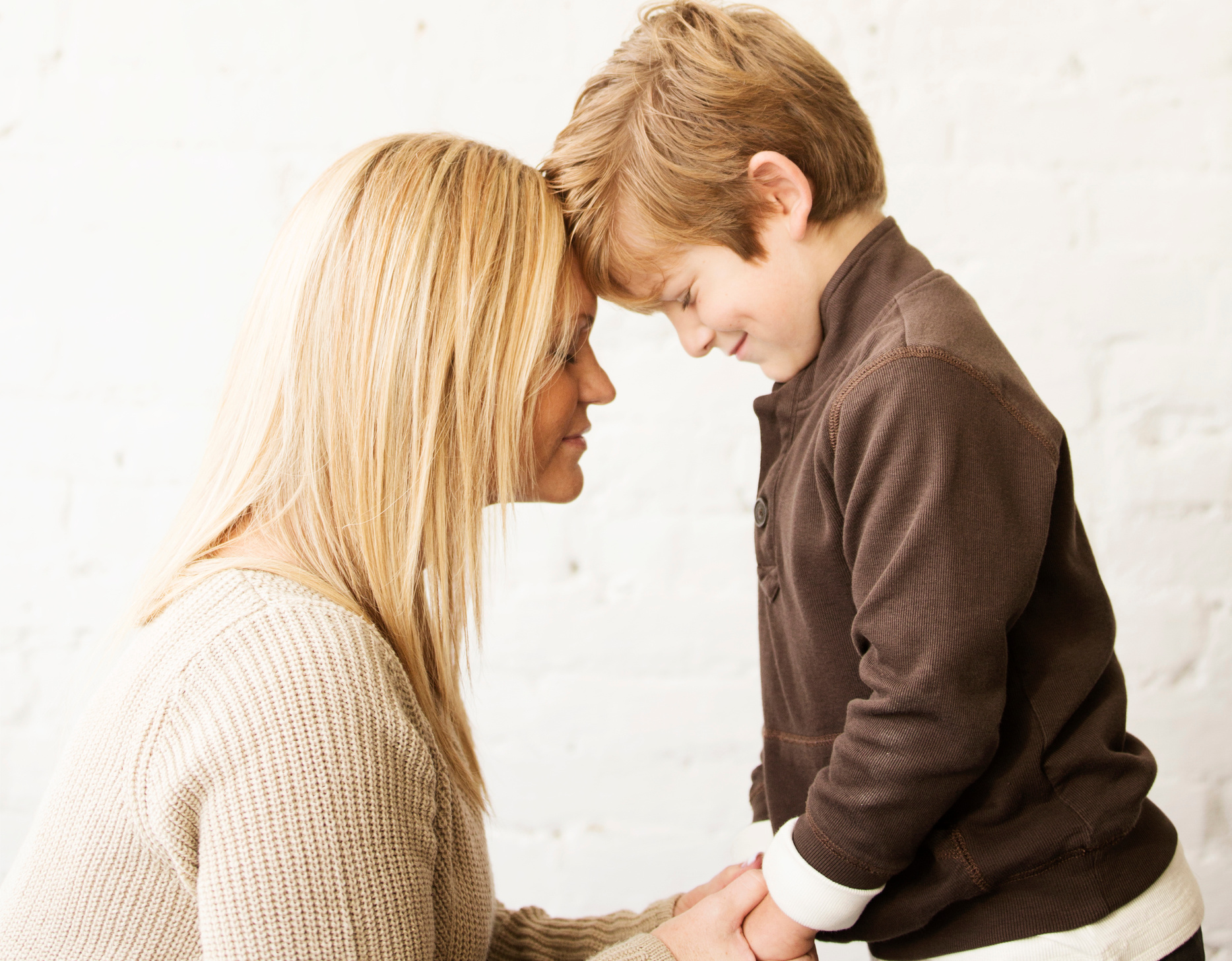
His sister knelt in front of him, took his hands, and said, “I’m so sorry. I know every bit of how hard this is. You are not alone. I’m in the darkness with you. We know this isn’t the end of the story.” Then: “My three days are your three days.”
That phrase captures something worth holding onto as you walk your own child through grief: this isn’t the end of the story, for you or for them.
Your Child’s Grief Won’t Look Like Yours
Kids move through the same stages of grief adults do—denial, anger, bargaining, depression, and acceptance—but they show up differently, and they need different things from you at each one.
In denial, a child may not seem to be feeling anything at all. They’re not talking about it, not crying about it. That’s not a red flag to rush past. Denial is a protective measure that lets us process loss slowly, at whatever pace our hearts can handle. The feelings will come. If they don’t after some time, that’s when it’s worth seeking outside help.
Anger can look messy and unpredictable in kids, but it’s important. It helps them feel some sense of control in a world that’s spun out of control. Helping them find appropriate ways to express it matters: physical movement, running, hitting a tennis ball, even shaking a Coke can and watching what happens when it’s opened as an object lesson in what happens when anger isn’t released in healthy ways.
In bargaining, a child’s mind may fill with what-ifs and if-onlys, replaying final moments or wishing things had gone differently. Here’s the key: your child doesn’t need you to fix their emotions. They just need you to be with them in it.
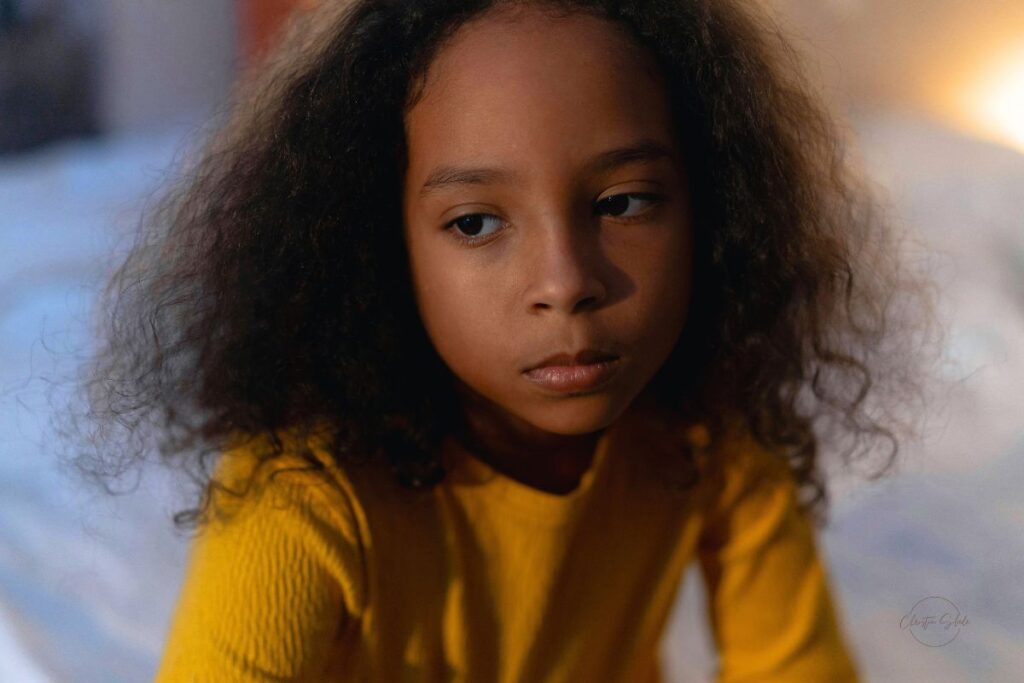
Depression, or deep sadness, is often something kids actively avoid. Many will admit, “If I start to let myself cry, I’m afraid I’ll never stop.” Talking about the sadness together, rather than around it, helps.
The Best Thing You Can Do for Your Kids Is Your Own Work
Here’s something easy to overlook while you’re focused on helping your child: the very best thing you can do for them is process your own grief well. If anxiety or depression from the loss is affecting your daily life, finding support for yourself—a counselor, a trusted friend, a grief group—isn’t separate from helping your child. It’s part of it. Learning to process your own feelings in healthy ways frees you up to help your kids learn to do the same.
Reflection
Where has your child’s grief shown up in a way that looked different than you expected, quieter, angrier, or more avoidant than you imagined it would be? What would it look like this week to sit with your child in one hard feeling, rather than trying to fix or rush past it? Consider one small way you could care for your own grief this week, trusting that it will also help you show up for your child.
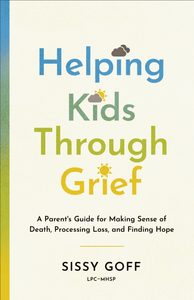
If you enjoyed this blog post, check out the book Helping Kids Through Grief by Sissy Goff. We love how she offers grounded, compassionate guidance for parents walking their children through loss.

Sissy Goff, LPC-MHSP, is executive director of Daystar Counseling Ministries and author of the New York Times bestseller Capable and other popular books, including The Worry-Free Parent, Raising Worry-Free Girls, and Lucy Learns to Be Brave. She’s a sought-after speaker and cohost of the nationally recognized podcast Raising Boys and Girls. Learn more at RaisingBoysAndGirls.com.