Breathing Through Our Anxieties One Prayer at a Time


Motivation to Change
Everyone experiences symptoms of anxiety at some point in life. Your foot might tap as you sit in a lobby, waiting to interview for a job. Or perhaps you check your phone several times a day, waiting for important medical test results. All of these are normal symptoms in normal parts of life. This is stress. I also call this situational anxiety.
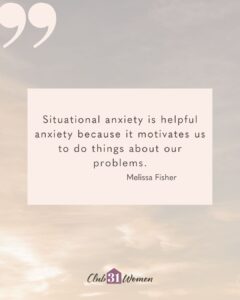
Situational anxiety is defined as normal levels of anxiety that come from stressful things happening in life. It arrives when life around us becomes overwhelming and is often referred to as stress. Situational anxiety is helpful anxiety because it motivates us to do things about our problems.
Situational anxiety is normal. It makes sense. It’s the kind of anxiety in which most people would feel the same way. This happens when a person’s anxiety is caused by things outside their control. Situational anxiety fades when the problem goes away.
As a counselor, situational anxiety can be difficult to work with because I cannot change a client’s situation. Regardless, it’s important to know that situational anxiety—stress—is a normal, necessary part of life. It keeps us alert and motivates us to make changes.
Perpetual Anxiety Blocks Us
When anxiety-the-emotion takes over a person’s life and expands into numerous symptoms that persist, it becomes perpetual anxiety. This can look like hypervigilance or reacting bigger than a situation warrants. Perpetual anxiety can happen in the middle of situational anxiety, except the reactions look bigger than necessary and lead to ongoing anxiety after the situation resolves itself.
Perpetual anxiety is persistent, ongoing anxiety—the kind of anxiety that takes up most of your energy, most of your day, most of the time.
Perpetual anxiety often looks like persistent worry or fear.
Perpetual anxiety prevents you from living a full life. It prevents you from enjoying good moments and causes you to spend more time trying to avoid unlikely catastrophes rather than connecting with others. It prevents joy from doing its work in you. Compulsive worry and fear cause you to forget God’s power and faithfulness. They stick around and keep you from moving forward and enjoying the life God gave you.
Deep Breathing
The practice of deep breathing and Scripture focus helps you move past those emotions and into places where you can remain present, productive, and peaceful. We’ll practice it today using Scriptures that remind you of God’s power and faithfulness, giving your brain an opportunity to tap into its natural calming resources.
When we feel nervous or anxious or angry, our breath quickens and becomes shallow. When we feel calm, our breath slows and deepens. We can use our bodies to impact our emotions. By slowing our breathing and allowing our breath to reach deeper levels in our diaphragms, we take in more oxygen, give more power to our brains, and maintain better control over our emotions.
We can use our breathing patterns to calm the brain. It’s a two-way street: physically relaxing our bodies helps to relax the brain. Breath provides the gift of life to our bodies and the gift of peace to our souls. What a powerful tool God has given us!
Let’s do the Calm Skill together.
Take a deep breath (body) and let it out slowly. Allow each full breath cycle (inhale and exhale combined) to last for about fifteen seconds.
Deep breath 1
Deep breath 2
Deep breath 3
Deep breath 4
Keep your breath slow and steady. Say a prayer to God, thanking him for the peace he gives us.
Reflection:
How can you connect to the Lord in times of anxiety?
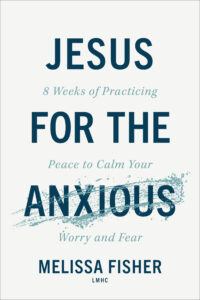
If you liked this blog, check out Jesus for the Anxious by Melissa Fisher. We love how she introduces us to therapy techniques and honest meditative prayers, where you will learn to overcome your anxiety one day at a time.
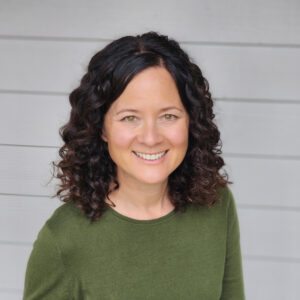
Melissa Fisher is a Licensed Mental Health Counselor in Vancouver, Washington, working with trauma and anxiety. She has two decades of experience in Christian youth, women’s, military, and young adult ministries, as well as personal work in spiritual formation. Melissa has contributed to Karen Whiting and Jocelyn Greene’s Battlefields and Blessings. She and her husband, a retired military officer, enjoy traveling with their adult children and hiking in the mountains.