Six Strategies to Protect Your Postpartum Health
With how vulnerable the postpartum period makes us, it’s easy to feel overwhelmed by what could go wrong after becoming a new mom.
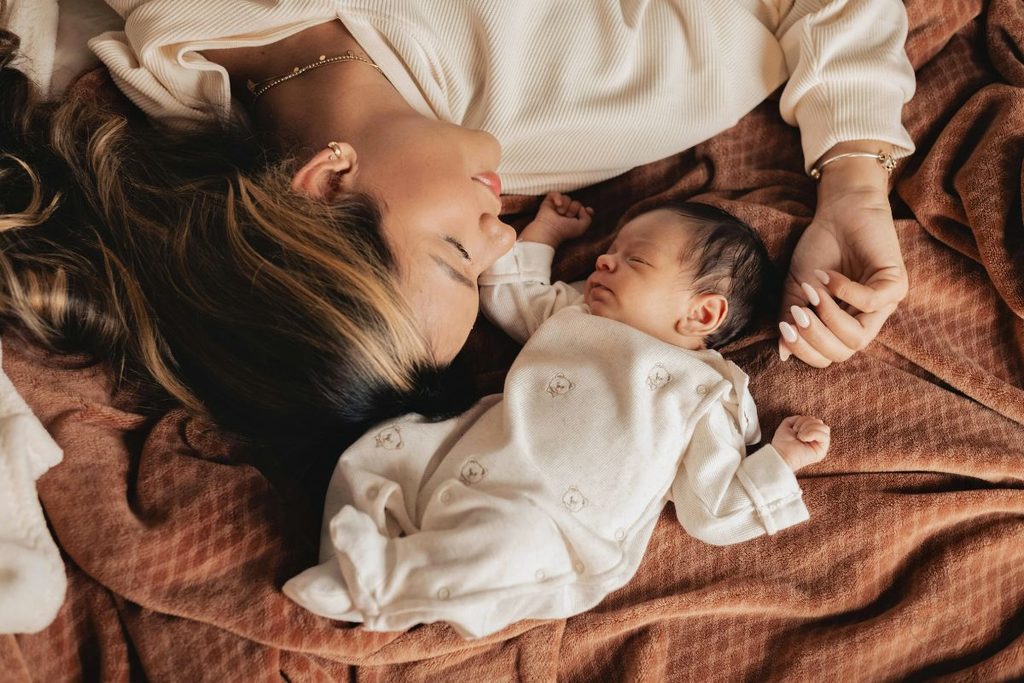
Here’s the good news: although the hormonal and immunological shifts involved in childbirth and delivery can, and often do, trigger problematic health conditions, that doesn’t necessarily have to become your reality.
Here are six strategies I recommend to my patients as a prevention plan.
Testing
You can’t get an accurate diagnosis for any unusual symptoms without specific and timely testing. Given that we’re dealing with such a low standard of care for postpartum moms, most of us need to ask our providers directly for screening tests.
Nutrition
The best way to prevent postpartum nutrient deficiencies and all the accompanying symptoms is to not have them prior to or during pregnancy.
Consume animal products abundantly: Nutrient deficiency is a problem if a person either doesn’t eat enough food in general or doesn’t eat foods that have enough micronutrients per calorie.
Limit ultra-processed foods: Just like a diet rich in whole foods from animal sources prevents nutrient deficiency, a diet in which ultra-processed, packaged food products displace consumption of those foods increases risk of health problems.
Hydrate: Most sources recommend consuming half your body weight in ounces of water daily. If you’re breastfeeding, you need to replace the water lost through lactation too.
Exercise
Most resources recommend against exercising until receiving the “all clear” from an obstetric provider at the six-week follow-up appointment. I want to challenge you to also consider breath work, slow stretching, and gentle calisthenics aimed at stability as under the umbrella of accessible exercise and to consider utilizing them right away. Belly breathing, pelvic floor coordination, TVA contraction (“hug the baby”), glute squeezes, chin retractions, full-body stretches, and short walks all count as movement you can do without fear postpartum.
Rest
To recover from a lack of sleep, you need more rest than simply the number of hours of sleep that you missed. Here’s how you can get more rest:
Enlist help: Write down all the people you can think of who can help you postpartum, and make a list of things they can help you with.
Do just one thing per day: Consider completing just one chore or errand per day. Only once such chores and errands no longer leave you feeling more tired, you expand the intensity or length of such responsibilities.
Rest when the baby rests: If the baby is sleeping, you should at least be resting, which means sitting, reclining, lying down, napping, or generally taking a break.
Controlling Stress
Stress management is foundational for recovery and health as you adjust to motherhood with a new little one in your family. I recommend counseling for nearly everyone—not because everyone has a diagnosable disorder, but because a transition like this is inherently challenging.
At the end of the day, we can’t prevent every single health problem. However, having a plan in place to protect your nervous system and establishing a foundation for your basic needs will help you discern what to do about symptoms when they pop up. Taking care of yourself is not only your right but also a gift to your baby by helping you become the healthiest person you can be.
Reflection
Which of these six strategies have you already put in place, and which have you been putting off? If you had to pick just one area, where do you sense your body needs the most support right now?
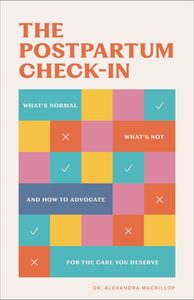
If you have enjoyed this blog post, check out the book The Postpartum Check-In by Dr. Alexandra MacKillop. We love how she approaches postpartum health by helping moms understand what’s normal, what isn’t, and when to push for real answers.
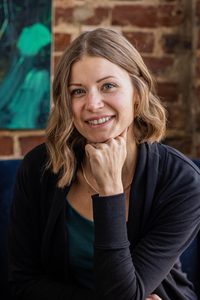
Dr. Alexandra MacKillop is a functional medicine doctor, author, and speaker specializing in women’s health and hormones. She sees patients in person in Chicago and virtually throughout the Midwest and is the author of two other books on the topic of women’s health: Fulfilled and Go with Your Flow. She has two children and lives in Chicago with her family.